Elevate Your Property: Benefits of Hiring Expert Tree Cutting Services
Transforming a landscape can be a complex task. Engaging professional tree cutting services makes this process easier. Such specialists offer targeted knowledge and capabilities, providing safe and thorough tree removal. This not only enhances curb appeal but also protects property value. However, many homeowners overlook essential aspects of tree care. Recognizing the advantages and possible drawbacks can result in more informed decisions. What should homeowners consider before engaging these services?
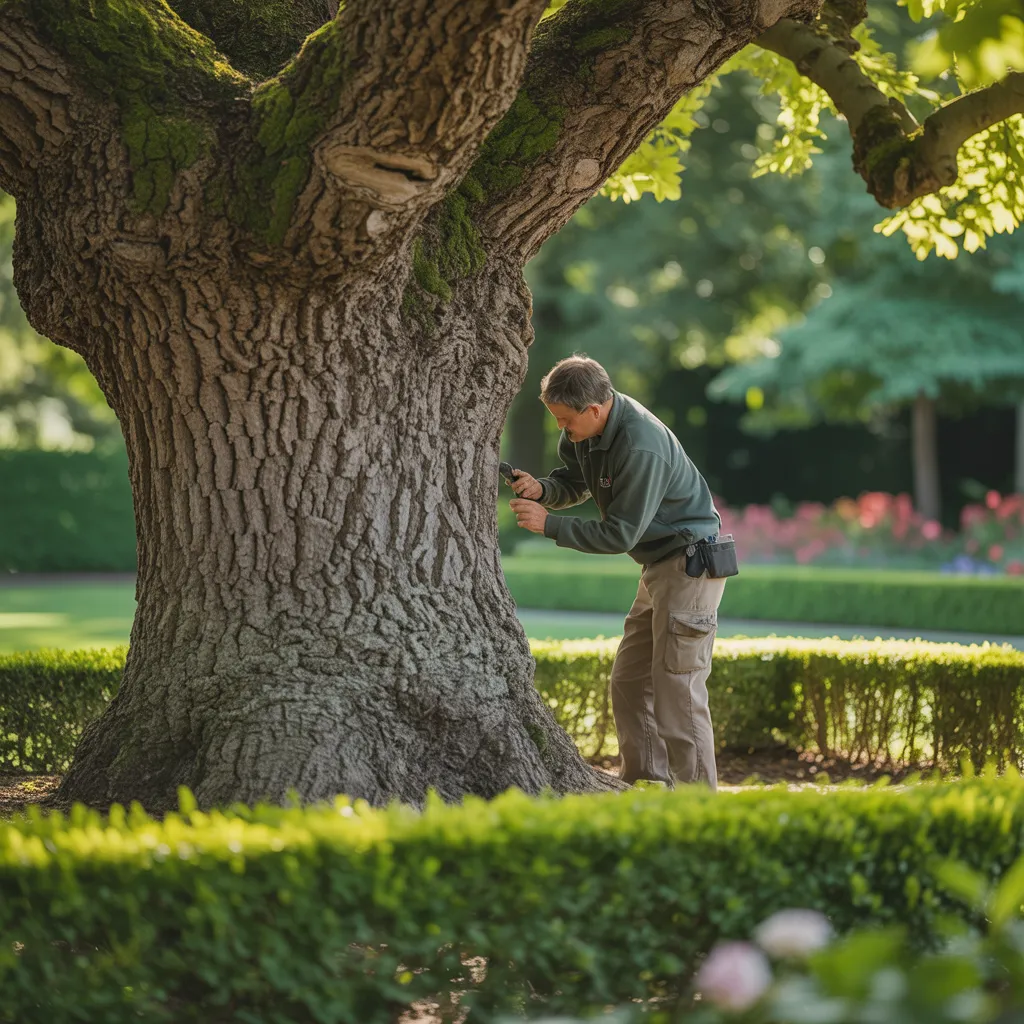
Key Reasons to Choose Professional Tree Cutting Services
When evaluating tree maintenance, numerous homeowners acknowledge the substantial benefits of enlisting expert tree cutting services. These experts carry in-depth knowledge about tree species, growing patterns, and proper cutting techniques, ensuring that trees are pruned or removed correctly. This proficiency decreases the chance of damage to surrounding structures and landscapes, supporting a healthier environment.
Furthermore, certified tree care professionals are armed with the essential equipment and protective gear, which are usually high-cost and require professional training to utilize. This improves overall efficiency while minimizing the risk of accidents or injuries throughout the process. Moreover, employing trained specialists can preserve valuable time and effort for homeowners, allowing them to focus on other important tasks.
Additionally, tree cutting services can deliver valuable inspections of tree condition, advising property owners on required upkeep and care. This proactive approach contributes to the overall longevity and aesthetics of the property.
How Tree Cutting Services Enhance Safety
Expert tree cutting services significantly improve safety for homeowners and their properties. Neglected or compromised trees present serious dangers, including the threat of falling branches during storms or strong winds. These services assess tree health and structural integrity, identifying potential risks before they escalate into dangerous situations.
Trained professionals employ specialized equipment to expertly extract trees and limbs, reducing the risk of accidents that could harm people or damage property. Moreover, they adhere to safety protocols that protect both workers and surrounding environments.
How Tree Health Affects Property Value
The condition of trees heavily affects property value, largely because of their aesthetic qualities and structural stability. Healthy, well-tended trees boost the aesthetic character of a property, attracting potential buyers and increasing marketability. On the other hand, diseased or deteriorating trees can create safety hazards and diminish overall attractiveness, negatively impacting property values.
Tree Aesthetics and Attraction
Healthy trees greatly enhance the beauty and desirability of a property, affecting its market standing. Well-maintained trees contribute to a rich, welcoming outdoor environment, attracting potential buyers and increasing curb appeal. The presence of thriving, lush vegetation can cultivate an atmosphere of calm and relaxation, making properties more desirable. Additionally, full-grown trees deliver coverage and screening, enhancing outdoor living spaces and encouraging social interactions. When trees are pruned and shaped by experts, they display a refined look that transforms the whole property. Conversely, poorly maintained or diseased trees may diminish a property's attractiveness, possibly reducing its overall worth. Therefore, engaging professional tree trimming solutions ensures that trees stay a valuable feature rather than a drawback.
Structural Integrity and Safety
While well-maintained trees can enhance a property's charm, their structural integrity is equally important for both safety and property value. Weak or diseased trees pose significant risks, including risks of damage to buildings and personal injury. When branches detailed article become unstable or roots weaken, the probability of dropping branches rises, jeopardizing both people and structures nearby. Homeowners should recognize that unhealthy trees can detract from property value, as buyers are often wary of hidden liabilities. Regular assessments by tree care professionals can identify potential issues early, ensuring that trees contribute positively to the landscape. By emphasizing proper tree care and security, property owners not only protect their investment but also foster an appealing environment that attracts potential buyers and enhances overall property worth.
What You Should Know Before Hiring Tree Care Experts?
How can homeowners guarantee they choose the right tree care experts? The first step is to carefully investigate any companies being considered. Reading online reviews and customer testimonials offers valuable information about the level of service provided. Additionally, confirming credentials including insurance coverage and proper licensing is absolutely necessary; reputable tree care experts should be fully insured to protect against accidents.
Homeowners should also request comprehensive estimates that describe the range of services involved, making sure there are no unexpected fees. It's beneficial to ask about the techniques and equipment the company uses, as contemporary methods can improve safety and effectiveness. In addition, a reliable tree care expert will offer a consultation to review particular requirements and offer personalized recommendations.
Finally, property owners should follow their intuition during the selection process. Clear communication and a polished approach can indicate a business's dedication to exceptional service. By implementing these measures, homeowners can reach well-considered choices when selecting professional tree care specialists.
Common Tree Care Blunders Homeowners Make
Many homeowners unknowingly make significant mistakes when caring for trees which can cause long-term damage. One common error is improper pruning, which may compromise a tree's structure and encourage disease. Furthermore, failing to mulch can cause soil erosion and moisture loss, harming root systems. Overwatering represents another prevalent mistake, as it can suffocate roots and invite fungal diseases. Property owners may also miss signs of pest infestations, allowing infestations to escalate and compromise tree health. Lastly, ignoring a tree's mature size during planting can lead to overcrowding, reducing growth and intensifying competition for nutrients. Addressing these mistakes is essential for maintaining a vibrant landscape and ensuring the long-term health of trees. By recognizing these common errors, homeowners can improve their tree care routines and support a healthier environment.
How to Choose the Right Tree Cutting Service for You
Picking the right tree trimming service can considerably influence the overall condition and appearance of a property. Homeowners should prioritize companies with qualified tree specialists who possess the necessary expertise in tree health and safe cutting practices. Researching digital reviews and feedback can provide insight into a service's overall performance and dependability. Furthermore, collecting multiple quotes enables homeowners to evaluate available services and pricing, ensuring they choose a provider that meets their financial needs while maintaining high standards.
It is also essential to confirm that the selected service is fully insured and licensed, protecting the homeowner from potential liabilities. Inquiring about the equipment and methods employed can further indicate a company's professional standards and safety commitment. Finally, a trusted tree removal company will provide a comprehensive evaluation of the trees, offering guidance on upkeep and long-term care to protect the overall landscape quality. Ultimately, well-informed choices ensure homeowners choose a service tailored to their unique requirements.
Frequently Asked Questions
What Are the Typical Prices for Professional Tree Cutting Services?
The typical cost of professional tree cutting services is between $200 and $2,000, based on factors including the size of the tree, its location, and the difficulty of the work. Supplementary costs may be included for stump extraction and other professional add-on services.
What Time of Year Is Best for Tree Cutting?
The optimal time for cutting trees typically falls in late winter to early spring, before new growth begins. This schedule reduces stress on the tree and decreases the chance of disease transmission.
Are There Specific Permits Required for Tree Cutting?
Yes, specific permits are often required for tree cutting, depending on local regulations. Land owners should check with municipal authorities to verify compliance and avoid potential fines or legal issues associated with unpermitted tree cutting.
How Do I Determine if a Tree Should Be Cut Down
A tree may need cutting if it exhibits indicators of disease, dead branches, or significant leaning. Furthermore, if it poses a safety risk to structures or people, professional assessment is advisable for proper evaluation.
What Equipment Do Tree Cutting Professionals Use?
Arborists and tree removal experts typically use axes, chainsaws, chippers, and pruning saws. Helmets, gloves, and harnesses are critical pieces of safety gear. Furthermore, stump grinders and trucks are often used to facilitate effective debris removal and site cleanup.